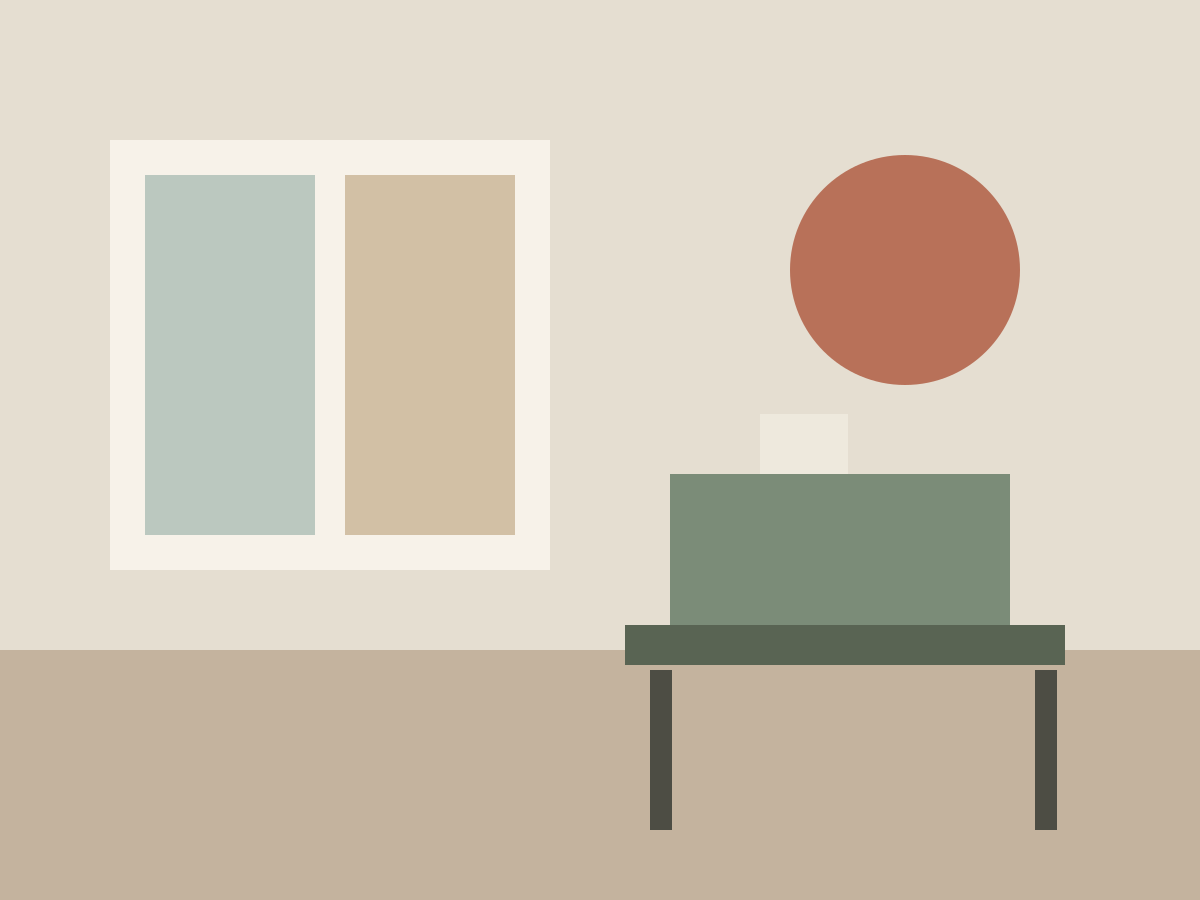
A reading corner does not need a new chair, built-in shelves, or a room of its own. It needs to be easier to begin reading there than to walk away and find something else.
Choose the seat you already use
Start with the chair or end of the sofa where you naturally settle. Sit there for ten minutes with a book. Notice what interrupts you: poor light, nowhere to put a drink, a cold draft, or a cushion that looks better than it feels.
Fix the strongest annoyance first. Move a lamp. Borrow a small table from another room. Add a useful cushion or remove one that crowds the seat.
Bring the light close
A lamp beside or slightly behind your shoulder is often more useful than a bright ceiling light. Aim the light at the page without creating glare. If you read at different times of day, check the spot in both daylight and evening light.
The best reading corner is the one that asks for the fewest preparations.
Leave one book ready
Keep the book you are reading visible, with a bookmark in place. A pile of ten worthy choices can become another decision. Let the rest live on a shelf and give the current book the easy position.
Add only what supports the act itself: glasses, a pencil, a coaster, or a light throw. Avoid turning the corner into storage for every leisurely intention.
Protect a small window
Use the corner for ten pages or fifteen minutes before expecting a longer habit. It can be after lunch, while dinner cooks safely, or before the evening screen goes on. The same cue matters more than a large block of time.
If you stop enjoying the book, choose another. The corner exists to make reading inviting, not to enforce a private assignment.